
How to Reset Your Circadian Rhythm
What is Circadian Rhythm?
Circadian Rhythm is your body's internal clock that regulates your sleep cycle. For instance, it tells you when to wake up and when to fall asleep. Your body tries to align your sleep cycle with visual cues like making you feel sleepy when it gets dark outside, or awake when it's light. It also affects your digestion, hormones and body temperature. When your circadian rhythm is off, it can greatly affect your sleep quality, which in turn, can lead to weight gain and poor cholesterol levels. Luckily, there are many things we can do to get it back on track.
What is a Healthy Circadian Rhythm?
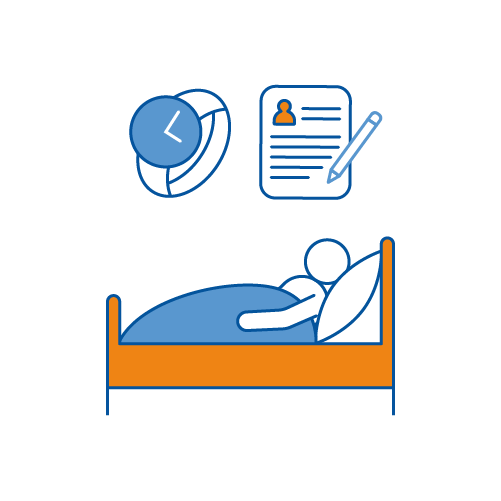
An example of a healthy circadian rhythm would be getting about 7-9 hours of uninterrupted sleep per night. Depending on your schedule, you'll want to wake up when the sun's out, and get to bed a few hours after it sets. Going to bed at 11pm and waking up at 7am is a good habit to form. If you're getting less than 7 hours of sleep, your circadian rhythm is probably off.
Slowly Adjust Your Sleep Schedule
Fixing your sleep schedule so you wake up early in the morning and go to bed at a reasonable time is essential to fixing your circadian rhythm. When deciding to fix something in our lives, we can sometimes bite off a bit more than we can chew. If you want to fix your sleep schedule, you need to do it slowly or else you might give up when things get too difficult. Instead of forcing yourself to wake up at 7am every morning, set a goal to wake up only an hour earlier. If you're a late sleeper, usually staying in bed until Noon, wake up at 11am instead. Try that for a little bit and then wake up at 10am, and so on until you can comfortably reach 7am. It can be annoying to progress slowly, however, it will make things easier overall.
Go Outside During the Day
Exposing yourself to bright light when you wake up can be hugely beneficial. Circadian Rhythms evolved in response to constant exposure to sunlight. Before electricity, our ancestors would use the sun to wake up and it has become beneficial for our bodies. Sunshine can help you feel awake and energized. It's as easy as heading outside for 10 minutes early in the morning and doing some stretches in the sun. If it's a particularly cloudy day, or you live in a region that doesn't get a lot of sunlight, you can use a light therapy lamp, which has shown to be quite effective.
Limit Alcohol, Caffeine and Cannabis
While caffeine can help keep us awake, it can also disrupt our sleep. In order to have decent sleep quality, you should not have caffeine after noon. Alcohol and Cannabis are also known to make people drowsy, and while they may help you fall asleep, it's actually negatively impacting your sleep quality and doesn't give you the proper rest that you need to function. This doesn't mean you need to quit these things all together, just try and limit your usage and try to not use before bed.
Keep a Proper Meal Schedule
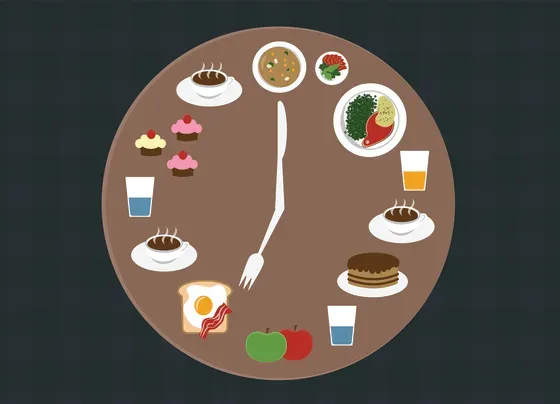
Hunger and metabolism are closely linked to circadian rhythm. Research shows that eating meals too late can shift your rhythm and keep you awake for longer that you should be. In contrast, eating your breakfast earlier in the morning can have a positive affect on your circadian rhythm and also helps you lose weight. For more information on the benefits of eating earlier,
check out our blog post on Chrononutrition
Reduce Screen Time
Checking your phone before bed can be fun, but it's actually not helping your sleep quality at all. As stated before, our circadian rhythms evolved in response to exposure to the sun. So, looking at a square of bright light right before you sleep is something our bodies aren't used to. Because of this, it's usually best to not use your phone or watch TV for at least an hour before you go to sleep. It might be beneficial to read a book or listen to a podcast instead.
Physical Activity
Another great way to help your sleep quality is to make sure you get some sort of physical activity in for the day. It can be difficult with busy schedules and other commitments, but finding even 20 minutes during the day to get a little bit of exercise in will do wonders for not only your circadian rhythm, but also your overall physical health. If you're having trouble finding the time to exercise,
check out our blog post on VILPA, which talks about short little exercises you can do during the day.
Ask The Experts
If you ever need advice on how to fix your sleep schedule or many other problems, you can always pop into one of our stores and one of our highly-educated associates would be happy to help you in whatever way they can. Many of our employees have post-secondary educations based around nutrition and have been doing this for a long time. They know what they're talking about, so use them as a resource whenever you can!
In addition to speaking to one of our associates, we've also started a video series that gives you tips and tricks on everyday wellness. Our most recent video covers sleep and goes in-depth into some of the topics we've covered here in this blog post! Check out the YouTube video below:
Conclusion
Fixing your circadian rhythm is fairly simple, you just have to prioritize your sleep schedule and make sure you're getting a decent night's sleep. A lot of people gloss over how important sleep is, but it is one of the most important aspects of our lives. It may be difficult to avoid late night meals or stay away from your phone before bed, but the energy and revitilization you will feel makes it totally worth it. Don't forget, we have many resources available in our store like Nutritionists you can speak to, and several supplements that can help aid you in your sleep journey. Don't hesitate to come on in and get expert advice!
Have a good night's rest!