Child Care - Best Practices

Education and empowerment, rather than fear, are good strategies for protecting our kids. Having a healthy respect for bacteria and viruses and learning proper practices for hand washing and, distancing when necessary, will help children feel secure and safe. 


The best health practices for kids (and adults) are play, fresh air, sunshine, exercise, wholesome food, clean water, learning, and plenty of sleep. 


Avoid foods that may weaken the immune system: white sugar, unfiltered chlorinated water, and pesticide contaminated foods (see the
Environmental Working Groups Dirty Dozen).


Children, like adults, thrive on a diet that is based mainly on whole foods: fruits, veggies, nuts and seeds, beans and whole grains. Starchy foods and animal products digest in very different digestive secretions and are best eaten a separate meals to avoid excess mucous production.


two children reading a book with an adult

To fill nutritional gaps children will benefit from a good multivitamin that includes a full B complex, vitamin C (in winter), calcium, magnesium, and zinc. For children 4 and over who have difficulty with concentration, or for children prone to colds and flu, we recommend Bio-Strath, a whole food vitamin/mineral combination that improves focus and strengthens immunity.


Vitamin D is a very common deficiency in Canada. Even in summer very few children spend any time outside without sunscreen which inhibits the natural synthesis of D. The upper limits recommended by Health Canada are:

  • Infants 0-6 months 1,000 IU 

  • Infants 7-12 months 1,500 IU*

  • Children 1-3 years 2,500 IU

  • Children 4-8 years 3,000 IU

  • Children and adults 9-70 4,000 IU


If you use drops for a dosage of 1,500 take 2,000 every 2
nd day. For a dosage of 2,500 take 3,000 every 2nd day.


To nourish their developing brains, children need the Omega 3 fatty acids EPA and DHA. Regular consumption of fish, flax and hemp seeds and their oils will provide them through diet, otherwise there are children’s formulas specific to their needs.


Children are healthier and happier when there’s a good balance of healthy bacteria in their digestive tract. Make fermented foods a regular part of their diet and supplement intermittently with probiotics. Scientists estimate that 60% or more of human immune function is dependent on a healthy microbiome.


Numerous studies* have been done on the herbs astragalus, echinacea, and elderberry demonstrating their ability to improve immune function. There is a selection of products available that are formulated specifically for children. Manuka honey is another tasty way to sooth a sore throat and boost immunity.


If children learn about natural foods and natural remedies at an early age they will likely carry those great habits into adulthood. Parents that empower their children to be mindful of their health on every level, can enjoy watching their lives unfold as healthy fruitful members of their communities.


*Reference Nation Center for Biotechnical Information (NCBI)

shilouette of children
A display of party items coloured blue for Father's Day
By April Allen May 26, 2026
Celebrate the father figures in your life with thoughtful, wellness-supportive gifts at Jo Anne's Place
By April Allen May 21, 2026
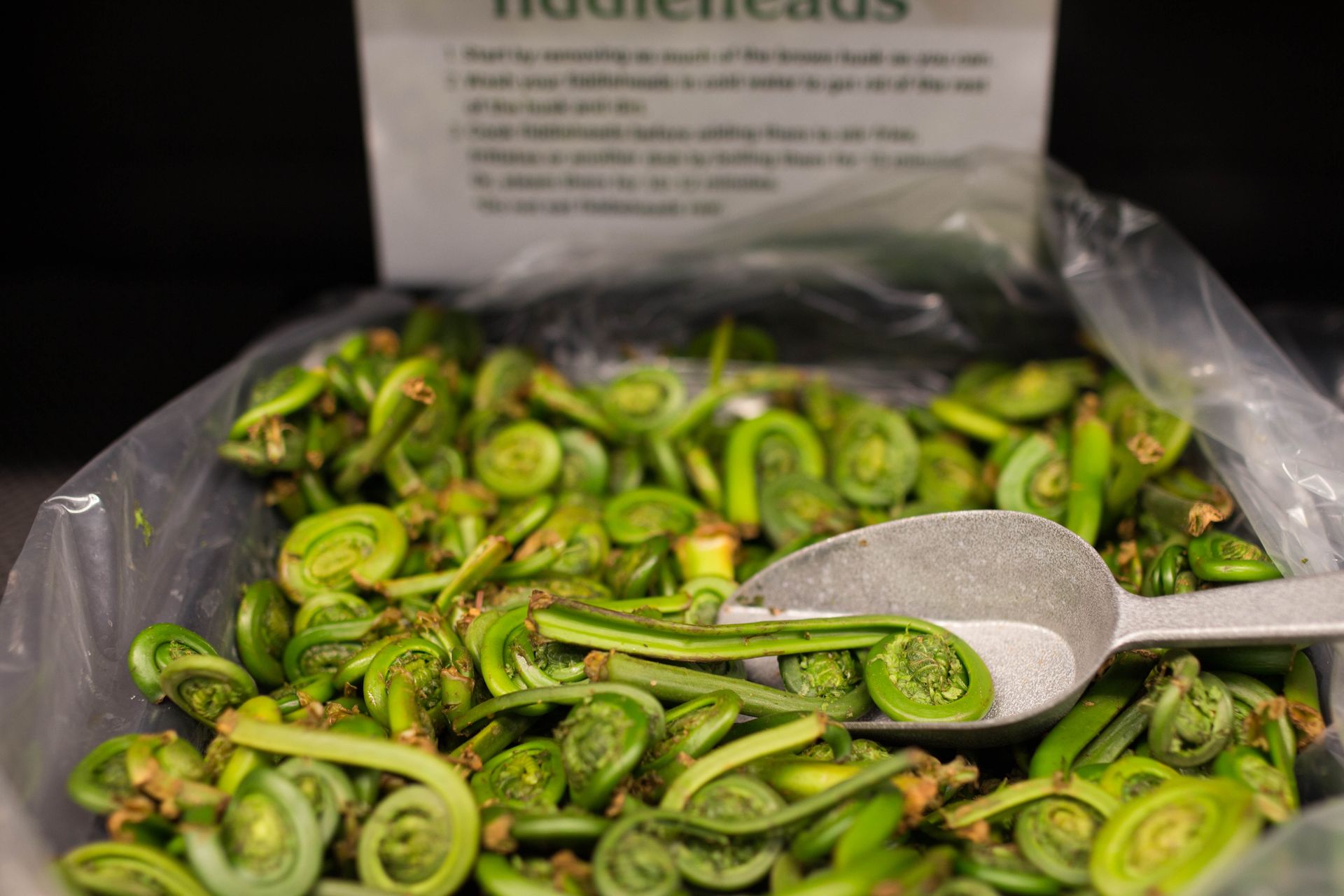
Fiddlehead season is here! After a long winter, fiddlehead season has finally arrived. Not familiar with fiddleheads or just want to learn a bit more about them, and how to cook them safely? Keep reading! You may have seen fiddleheads in the wild and not even realized it. That's because they are the furled fronds of a fledgling fern! The fiddlehead is the spiral of the plant that would unroll into a new frond of the fern plant. They are harvested before they unfurl, early in the season. Only the fiddleheads from certain fern varieties are safe to consume. Fiddleheads should never be eaten raw and must be cooked a certain way to be safe to eat, so be sure to follow the instructions below. Fiddleheads have been part of traditional diets in Northern France since the Middle Ages, and amongst many North American Indigenous populations for centuries. They are also popular in Asian cuisine dishes like gulai pakis.
By Jonathan Tessier April 29, 2026
Most candy and processed food products aren't naturally made with bright colors. They achieve that color by using synthetic food dyes. But are they safe for you?
floral pattern
By April Allen April 28, 2026
Mother's Day gifting made easy at Jo Anne's Place!
By Jonathan Tessier April 9, 2026
Peptides are short chains of 2 to 50 amino acids that act like messengers telling your body what to do. Some are effective, some are not. Let's get into all of it!
3 Pictures, on the left are sugar cookies, in the middle are cupcakes and on the right is a quiche
By April Allen March 31, 2026
Happy Easter! Looking to switch it up and try some new recipes this year? Here is a roundup of Easter
By April Allen March 25, 2026
Small Changes with a Big Impact. April is Earth Month! With Earth Day coming up on April 22nd, we wanted to share some simple ways to make your home more eco-friendly. Of course, sustainability is top of mind this time of year - but our hope is that the awareness around sustainability and habits created during Earth Month will be continued on throughout the year. Not only do sustainable habits benefit the Earth and the ecosystems we inhabit, but they also improve our lives by reducing waste and toxins in our homes and communities, saving us money, and supporting a more circular economy. Below are some small changes you can make to your daily routines that result in a more eco-friendly home:
By Jonathan Tessier March 5, 2026
For almost every junk food, there’s usually a healthier alternative. You might have to compromise on taste but its definitely worth it for health in the long run!
Jo Anne and Margo sit outside with their arms around each other
By April Allen March 3, 2026
Who run the world? Girls! March is Women's History Month, and March 8th is International Women’s Day. What better time than this to lift up the women around us!
Title: Top benefits of Fiber: Digestion, Weight Loss and Heart Health
By Jonathan Tessier February 26, 2026
From improving your gut microbiome to reducing cholesterol and supporting weight loss, fiber plays a crucial role in your overall health. How Fiber Improves the Gut